
Arabia’s first Africa-born poet Suḥaym defied slavery and patriarchy, claims Duke University researcher
by Dr. Piyush Mathur
A new scholarly essay published in Research Africa Reviews sheds light on one of the most overlooked literary figures of the early Islamic world: Suḥaym, an African-born slave and poet whose verses defied erasure, even as his life ended in treacherous violence.
Authored by Mbaye Lo, Associate Professor of the Practice of Asian and Middle Eastern Studies at Duke University, the article—’Remembering Suḥaym: The Tragic Fate of Arabia’s First African-Born Poet’—appears in the journal’s April 2025 issue (Vol. 9, No. 1) and is supported by the Duke Africa Initiative.
Drawing on Arabic literary sources, classical historiography, and modern comparative frameworks, Lo reconstructs the story of Suḥaym (Suḥaym ʿAbd Banī Ḥassḥās), a poet born (very likely) in Abyssinia and enslaved in Arabia during the transitional period between the pre-Islamic and early Islamic eras. Unlike many contemporaries, Suḥaym did not convert to Islam or align his poetry with the emerging religious order; nor did he directly attack or satirize Islam. Instead, his work remained focussed on love, longing, and defiant self-expression—especially with regard to his physical identity and marginalised status.
‘He was a brilliant poet, a rebel against social and patriarchal conventions, a person of wisdom, and a bold heartthrob who captivated the women around him’, writes Lo.
Suḥaym’s most well-known poem, ‘Umayrah, centres on a love affair with a woman from the tribe that had enslaved him. Across 74 lines, the poet weaves together themes of romantic longing, and resistance to patriarchal controls under the new Islamic order as well as physicalist discrimination as a Black man. In the poem’s opening line, Suḥaym declares the following:
Umayrah, bid farewell if you’re setting out at dawn
Gray hair and Islam are enough to restrain a man.
Toward the end of the poem, we have these lines:
She saw a tattered saddlecloth and the worn remnants of a cloak
And a Black man, darker than anything people owned, standing
stripped bare.
Lo interprets such lines as evidence of Suḥaym’s deliberate assertion of Black identity in the face of slavery (which included being re-sold to several owners), social exclusion, and torture (such as by flogging). He argues that Suḥaym’s poetry offers more than lyrical beauty by providing critical insight into the socio-political contradictions of early Islamic society. ‘His poetry’, Lo stresses, ‘challenged the patriarchal chauvinism of his enslavers and resisted erasure by the cultural elite.’
Despite being admired by some of the early Muslim leaders—including reported encounters with ʿUmar ibn al-Khaṭṭāb and even the Prophet Muḥammad—Suḥaym was eventually executed by immolation, a punishment that, according to Lo, was unprecedented for a poet in the early Islamic period. The circumstances of his death remain unclear, but the article concludes that his killing reflected ‘an emerging social order in which the ideals of Islamic racial justice were often undermined in practice.’
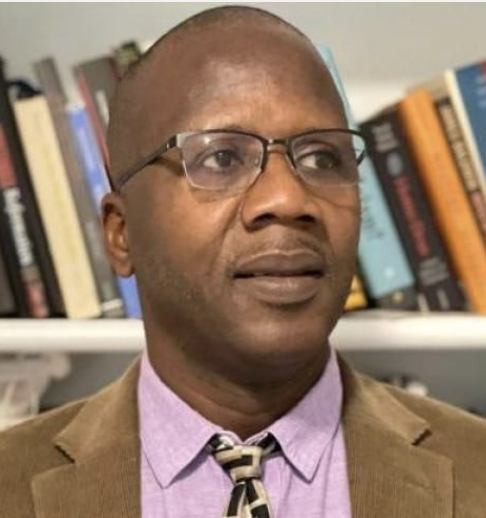
This is a screen shot of a photo of Mbayo Lo, Associate Professor of the Practice of Asian and Middle Eastern Studies at Duke University, United States. The photo is from his university profile page.
The article is careful not to overstate what can be known about Suḥaym, relying on corroborated classical sources while critically examining their unfairly discriminatory framing. Lo places Suḥaym’s life and reception in dialogue with the broader erasure of Black figures in Islamic historiography and the rise of Arab cultural nationalism in the decades after the Prophet’s death. He also gives examples from the Arabic critical corpus reflecting ‘a longstanding and deeply rooted expression of anti-Black prejudice in Arabic literary and cultural discourse.’
Suḥaym’s work was rediscovered and compiled in the 1930s by Indian Arabist ʿAbd al-ʿAzīz al-Mīmnī (d. 1978) and later honoured by Saudi writer Ghāzī al-Ghūṣaybī in a 2002 poetic tribute, the article points out. Still, as Lo emphasises, Suḥaym’s voice remains largely absent from modern conversations about African contributions to Arabic literary culture.
Noting that ‘enslaved Blacks in Arabia were not a subaltern class’ but were prominent poets ‘before and during the early decades of Islam’, Lo argues that his endeavour is ‘not about giving voice to a silenced group’ but about rectifying the distorted historical archives by reinstating ‘their stories to the heart of Africa’s collective memory.’
The article marks an important intervention in African diaspora and Arabic literary studies, urging a more critical examination of how physicality, power, and poetic legacy intersect in the historical archives.
The article can be accessed at https://researchafrica.duke.edu or downloaded as a pdf.
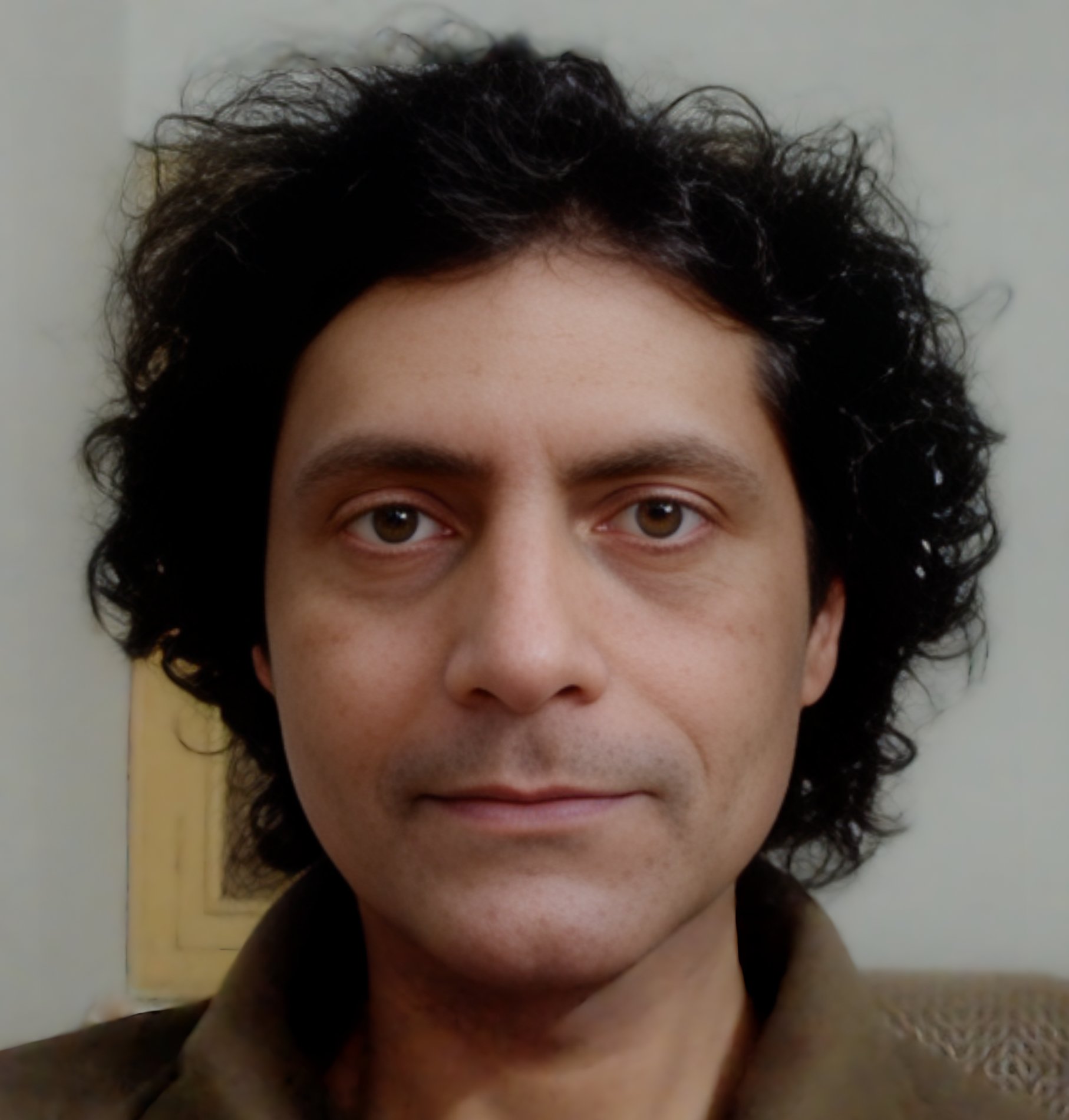
Dr. Piyush Mathur, who has taught Communication Studies at the American University of Nigeria, is the editor of Thoughtfox.
Feel free to post your comments in the box further below—or send them through this link.